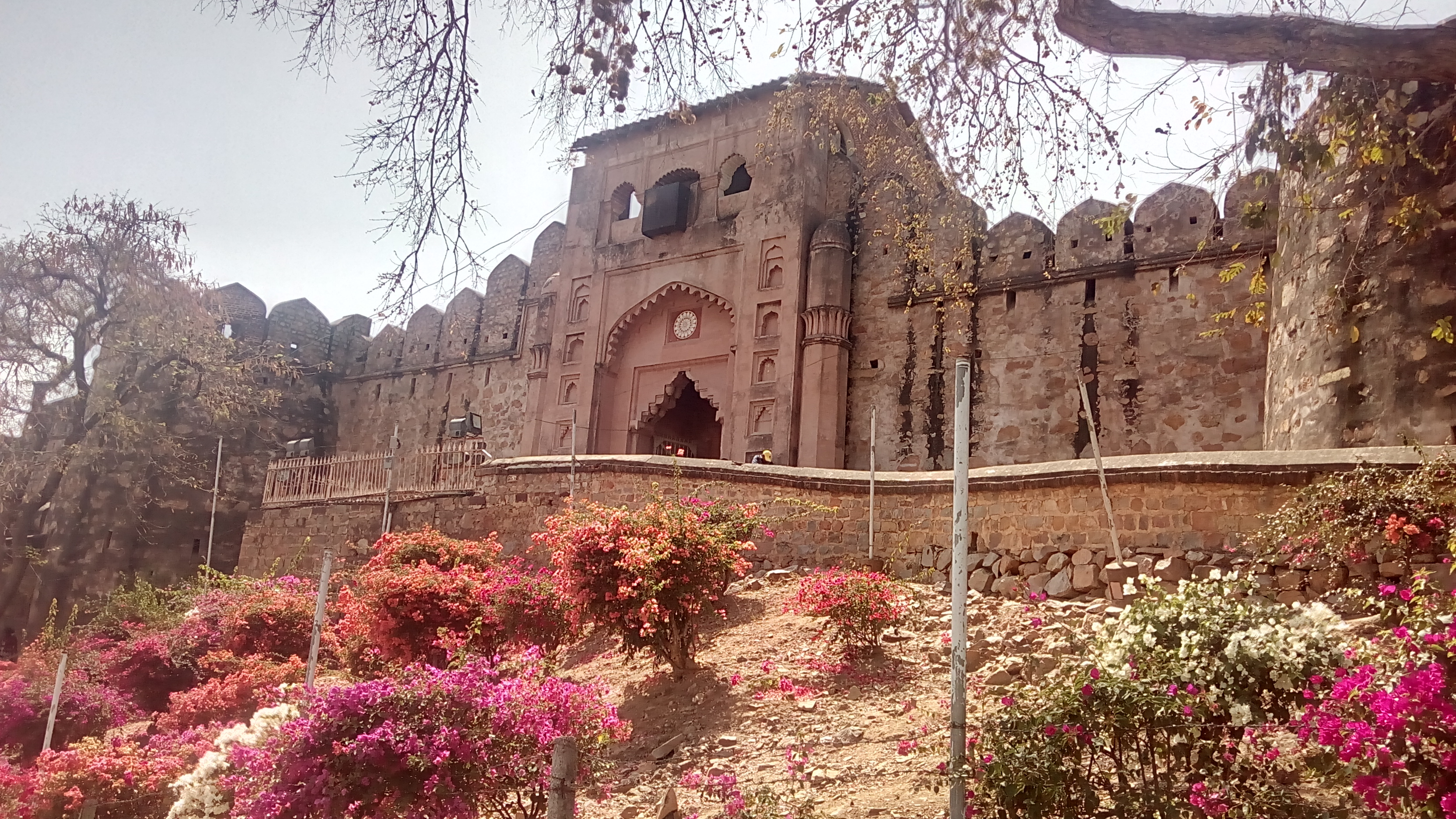
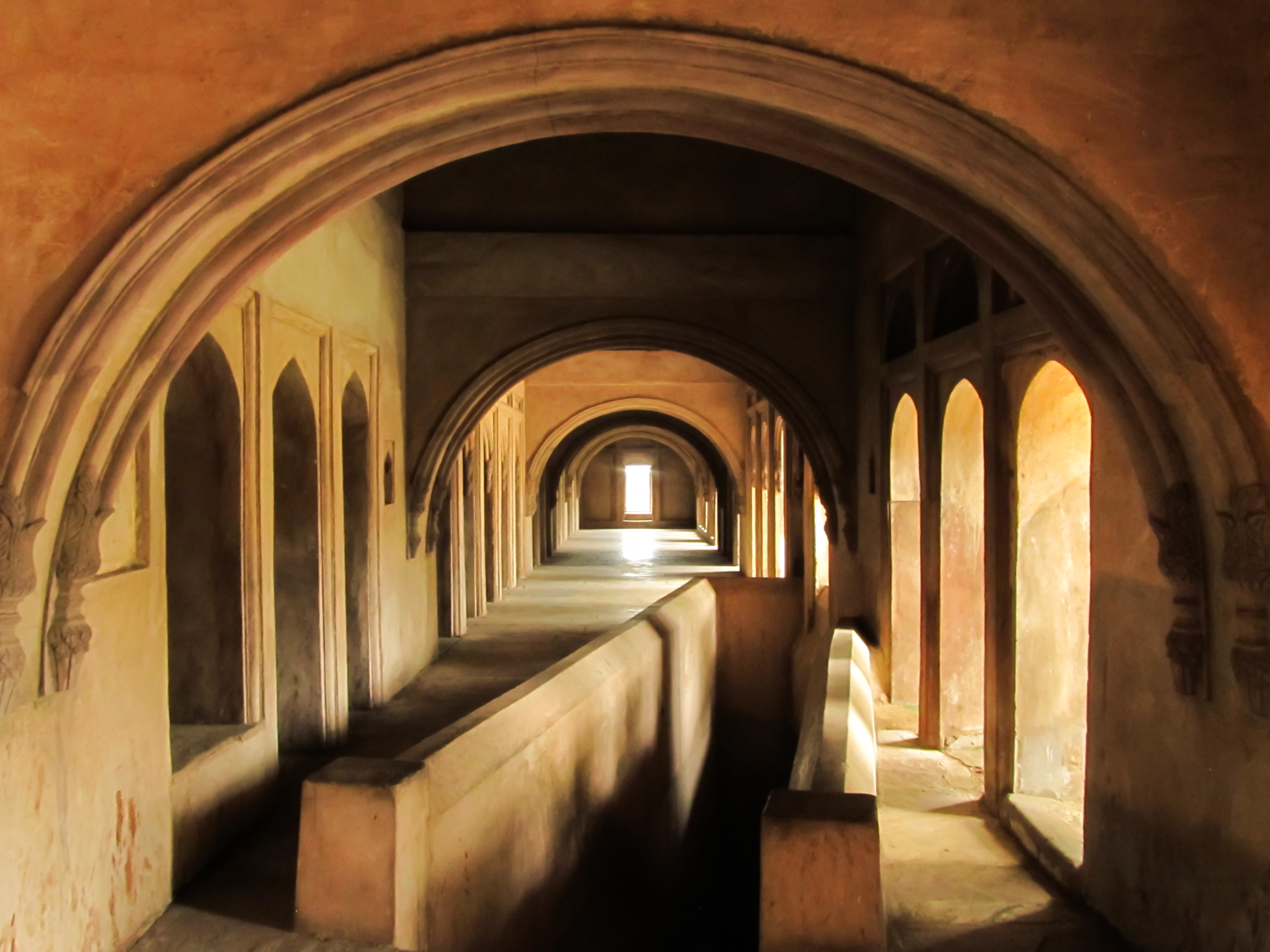
The Jhansi Fort, or Jhansi ka Kila, is an imposing defensive fortress situated on a rocky hill in the center of Jhansi, Uttar Pradesh. It is intrinsically tied to the legend of Rani Lakshmibai and her fierce resistance during the Indian Rebellion of 1857.
Jhansi Fort
The Defiant Stronghold of Rani Lakshmibai
History
Bundela Construction
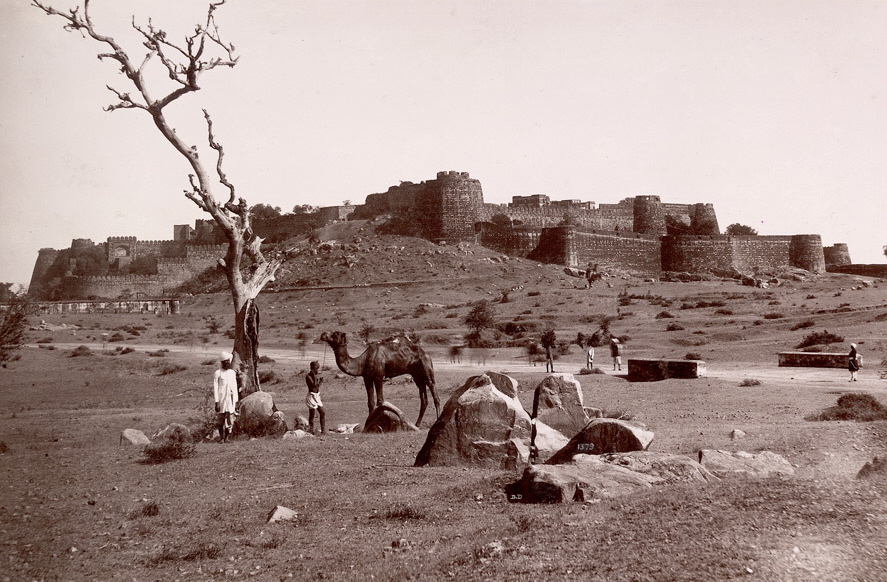
The original fortification was constructed in 1613 by the Bundela Rajput chief Bir Singh Deo of Orchha. Designed primarily as an isolated artillery stronghold, it features massive granite walls measuring between 16 to 20 feet thick, encompassing 15 acres of high ground.
The Doctrine of Lapse
Following the death of the Maharaja of Jhansi, the British East India Company refused to recognize Rani Lakshmibai's adopted son as the heir. Utilizing the 'Doctrine of Lapse', they annexed the state, setting the stage for the Queen's subsequent armed rebellion.
The Siege of 1858
During the 1857 mutiny, British forces commanded by General Hugh Rose heavily bombarded the fort for weeks. Facing imminent breaching of the walls, Rani Lakshmibai famously escaped the surrounded fortress on horseback with her adopted son tied to her back.
Significance
The fortress operates as the ultimate physical symbol of early Indian resistance against British colonial expansion. Rani Lakshmibai's defense of the fort cemented her status as one of the preeminent nationalist icons of the 19th century.
Festivals
Jhansi Mahotsav
A week-long cultural and historical festival held in February. The fort operates as the dramatic backdrop for patriotic plays, poetry (Kavi Sammelans), and extensive regional handicraft exhibitions.
Martyr's Day Observances
Specific localized observances marking the rebellion are held annually, frequently utilizing the massive open grounds directly beneath the fortress walls for military/police band performances.
Special Highlight
The exact jumping point where Rani Lakshmibai escaped with her horse from the high parapets is physically marked by a colonial plaque.
Travel Guide to Jhansi Fort
How to Reach
By Air: The nearest reliable commercial air transit is through Gwalior Airport (GWL), 100 km north.
By Train: Jhansi Junction (VGLB) is a massive artery connecting Delhi to the southern peninsula, 3 km away.
By Road: The fort is located directly in the center of the city limits, accessible easily via main city roads.
Best Time to Visit
Winter (November to February) is strictly necessary, as the steep granite fort absorbs brutal summer heat.
Local Attractions
Rani Mahal: The highly decorated royal palace located in the city center where the Queen actually lived.
Karak Bijli Cannon: The massive, historically famous cannon still mounted on the primary bastions.
Government Museum: Located within the fort grounds, housing excellent Bundelkhandi artifacts.
Travel Tips
The climb to the main ramparts is steep and features completely uneven stone steps; utilize sturdy footwear.
A nightly Sound and Light show details the siege; tickets must be purchased relatively early.
Combine the visit with a trip to Orchha (20 km away) to see the original Bundela architecture.
Guides are inexpensive and highly valuable for identifying the specific defensive features of the bastions.
Location Map
Image Gallery